

From product videos to specialist veterinary training
Useful training does more for a brand than product promotion.
Cookies
We would like to use Google Analytics cookies to see which pages people find useful, so we can improve the site. They stay off unless you say yes.Cookie notice
Training video only works if the viewer can understand it and stay with it. The subject may be technical, detailed or necessarily long. Our job is to find the structure, show the right thing at the right moment, and make the content easier to absorb without oversimplifying it.
An expert knows which details cannot be removed. A video producer knows when the viewer needs a close-up, a graphic, a pause, a change of pace or a section cut into a separate module. The best work comes from putting those two kinds of knowledge together.
We ask questions, learn the sequence and work out what the audience must hear and see. The content can combine presenters, demonstrations, PowerPoint, screen recordings, graphics, X-rays, still photography and existing footage where each element genuinely helps.
VI first asked us to make a repeatable series of product unboxing videos. Audience feedback called for more detail, and the work developed into practical demonstrations and specialist veterinary training.
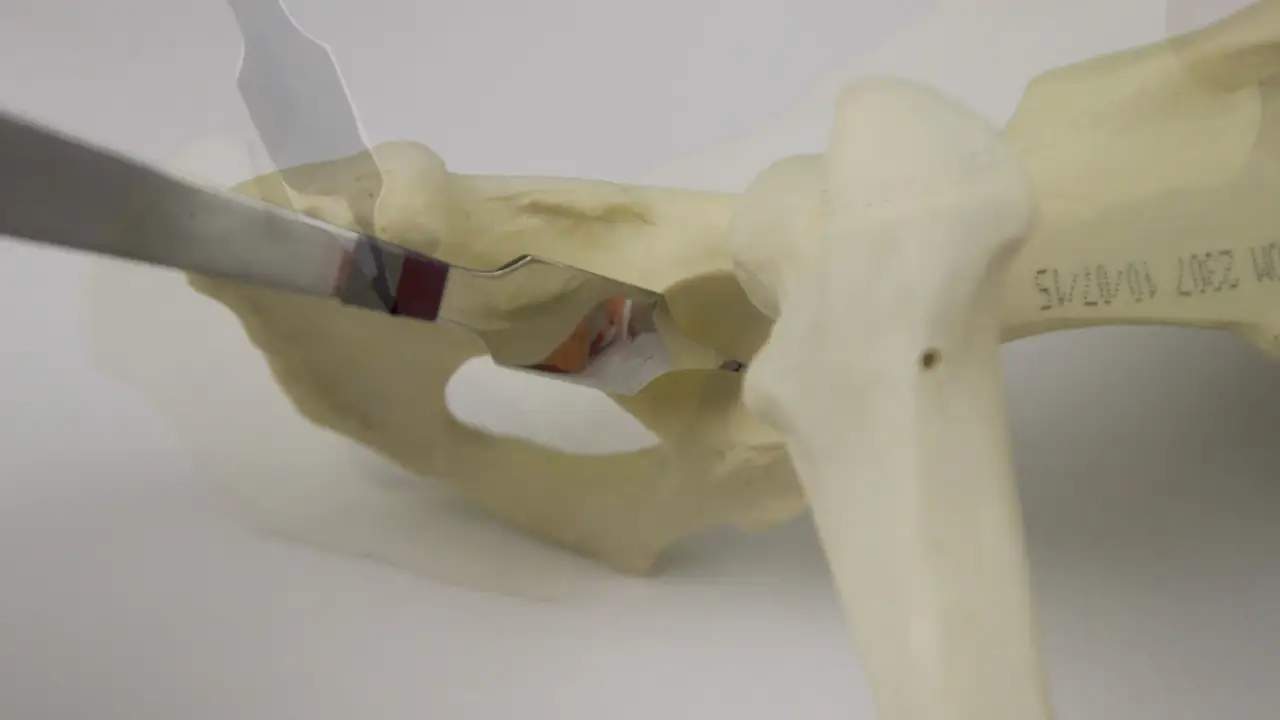
The procedures involve anatomical bone models, instruments, narration, close-up filming and careful editing so the viewer can see the exact relationship between the movement and the explanation. We are still not world-class vets, which should reassure everyone, but we now know rather more about repairing a dog’s femur than we expected to.
The series has been watched more than 240,000 times. Training video is usually judged on whether anyone finishes it, and that is a lot of people choosing to.
Instant CPD is a subscription platform providing continuing professional development for accountants. This is customer-facing educational content for its members, not an internal training programme.
The client initially wanted to improve the long-form courses it was already producing. The answer grew to include presentation technique, autocue, a compact studio, PowerPoint preparation, editing and a workflow that could be repeated with different presenters and changing subjects. Since 2022, the programme has produced 92 videos of more than two hours each across 59 filming days. When a government announcement changes the subject overnight, the production process must be ready. Some courses have been filmed, edited and delivered within 24 hours because the workflow was already established.
Some training projects need one clear demonstration. Others are content operations in their own right. We can build a repeatable approach around presenters, scripts or topic notes, studios, slides, demonstrations, graphics, captions, review and delivery, so that each new video does not begin by reinventing the production process.
What those have in common is that somebody is expected to act on them afterwards. That is a higher bar than being watched.
“They delivered everything they promised, with patience, humour and professionalism. It’s rare to find this level of value for money.”
Graeme Clarke, Direction Training
Two kinds of training film
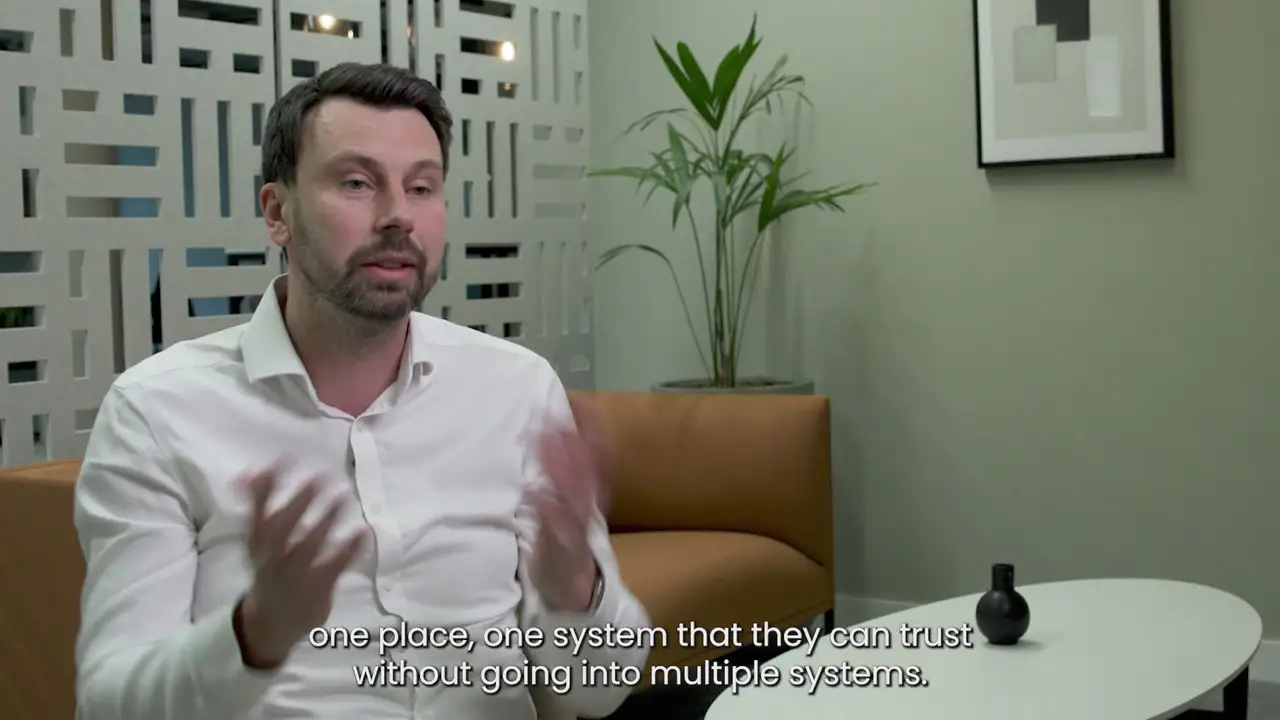
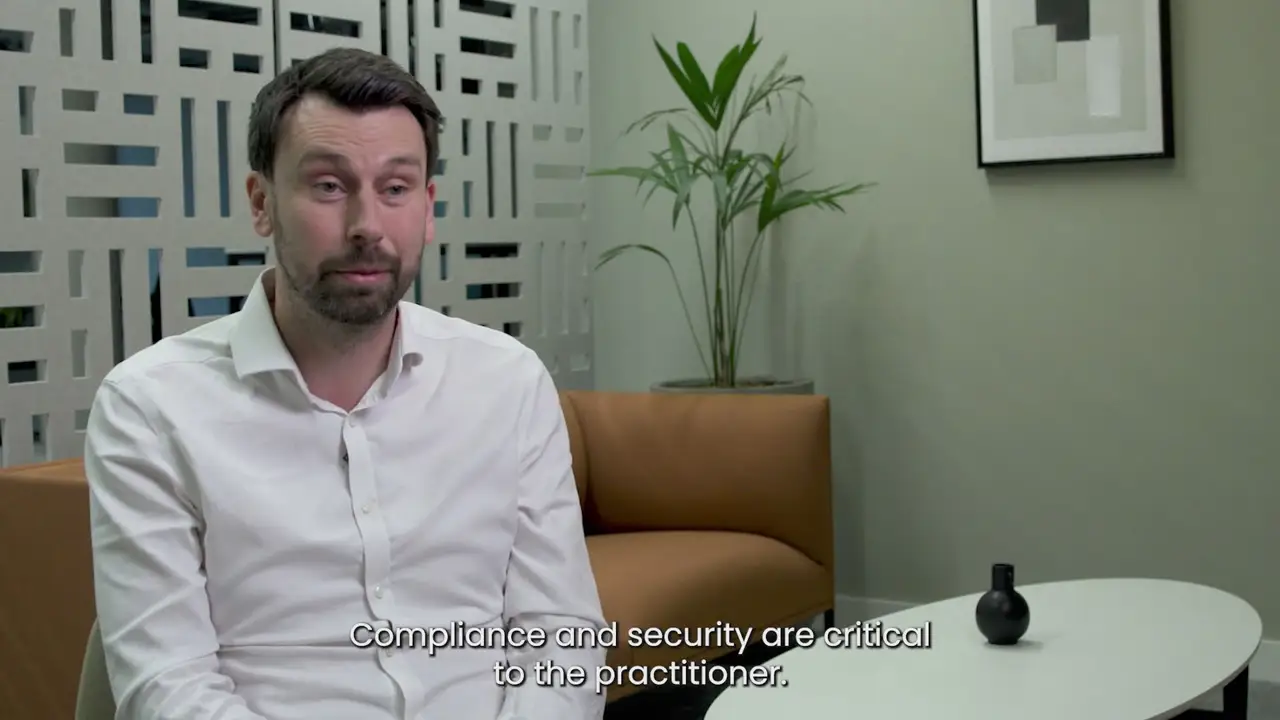
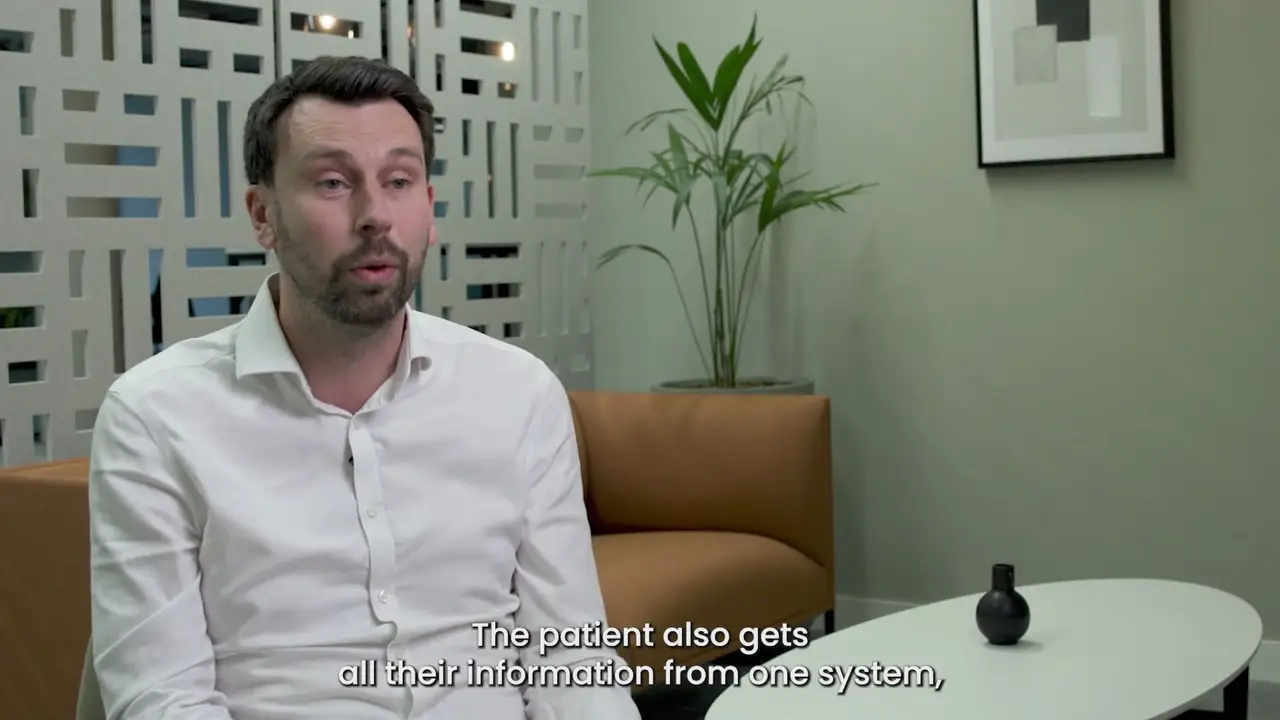
The first shows a clinical procedure, filmed close enough to follow and slowly enough to copy. The three beneath it are software training for a platform’s own users, made as a set so the tone and structure stay the same from one module to the next. Different subjects, the same problem: somebody has to be able to do this afterwards.
“Triumph Board works with Captive8 Media on an ongoing basis across different types of audiovisual projects. Their team helps our speakers deliver far more than they expect and tailors every project to our needs, whether we’re filming in a training room or at one of the world’s leading AV exhibitions.”
Useful training does more for a brand than product promotion.

The useful answer is not always a bigger production. Sometimes it is a better routine.
A machine is more convincing inside a customer’s story than on its own.
For the ideas a camera can’t reach: a process, a concept, a product that doesn’t sit still.
Show what you do and why it matters, with production that looks the part.
Make it land first time.
No obligation. Worst case, you leave with a clearer idea of what you need.