

Good videos, made better
The useful answer is not always a bigger production. Sometimes it is a better routine.
Cookies
We would like to use Google Analytics cookies to see which pages people find useful, so we can improve the site. They stay off unless you say yes.Cookie notice
It started with a few product unboxing videos. Vets asked for more detail, so the films became step-by-step training in orthopaedic procedures.
What this showsUseful training does more for a brand than product promotion.

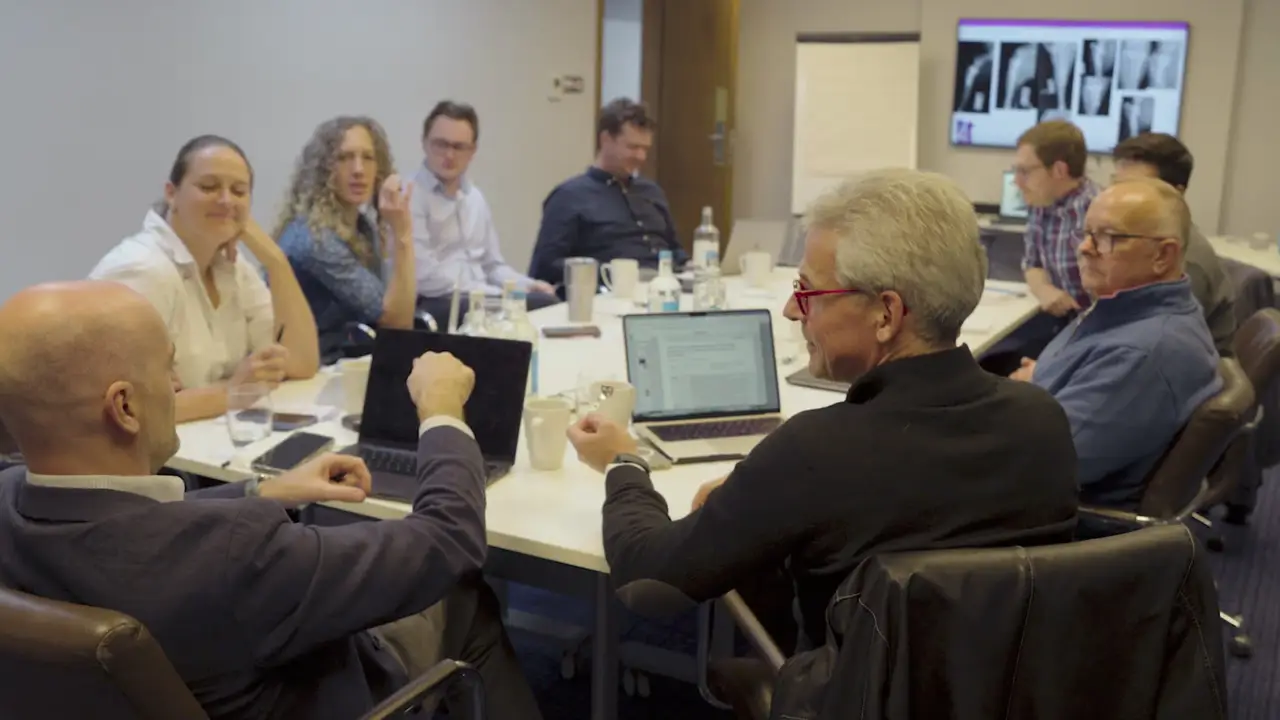
It started with a few product unboxing videos. Vets asked for more detail, so the films became step-by-step training in orthopaedic procedures.
What this shows: Useful training does more for a brand than product promotion.
Veterinary Instrumentation, usually known as VI, first came to us for a straightforward series of product unboxing videos. We hired a studio, filmed two or three products and created a format that could be repeated.
The videos went down well, and the next batch introduced more practical demonstration. That prompted an interesting response from VI’s audience: vets wanted more detail and more training. So the brief evolved.
The next stage was a two-day studio shoot covering a series of veterinary orthopaedic procedures, demonstrated by an established UK vet using anatomical bone models.
VI and the veterinary expert developed technically complete scripts. Our job was to turn them into something that worked visually: deciding what needed to be shown, from which angle, for how long, and how each image should sit with the separately recorded narration. Not being world-class vets ourselves, there was inevitably some learning involved. The production experience is transferable. You work out what the viewer needs to understand, ask the expert the right questions and design the filming around the answer.
Some procedures are extremely intricate. Hands and instruments naturally obscure parts of the model, while the viewer may need to understand the exact relationship between a ligament, a bone and the direction of an instrument.
Where possible, the camera therefore needs to reflect the veterinarian’s point of view rather than simply finding the prettiest angle. The expert demonstrates the movement, we work out what must remain visible, and the filming is planned with the narration and eventual edit already in mind.
A physical step may take quite a long time but need only a few words of explanation. Another section may need detailed narration over a comparatively short action. Showing every screw being inserted in real time would be accurate, but not particularly useful viewing.
Editing, graphics, text and controlled time compression keep the sequence moving without losing the instructional detail. The finished videos can also incorporate X-rays, still photography, wider clinical imagery and material supplied by VI when it helps explain the context. What the viewer hears and what the viewer sees need to make sense together.
The programme has been well received by junior and established vets, with one of the most frequent responses being a request for more training. That gives the content a second role. It demonstrates VI instruments in practical use while associating the brand with useful professional education rather than simply product promotion. The same thinking runs into the advisory board film about the development of VI’s TPLO plate, where the subject is the work behind the instrument rather than the instrument itself. The films have now been watched more than 240,000 times, almost all of it on the client’s own channel rather than ours, which is the part that matters: the audience VI wanted to reach is the audience watching.
The relationship has also included other work, including a customer case study with a vet. Once we understand the business, audience and technical material, the next requirement does not have to start from zero.
For the record, the detailed training is demonstrated on anatomical bone models in a studio, which suits us just fine. We have also put on scrubs to film a minor real-world procedure for a separate case study. We got the footage. We also confirmed that our talents lie firmly on the camera side of the operating table, preferably some distance from the bloodier end.

Clear, watchable training content that actually gets understood, and is still remembered when the person is back at their desk.
Our specialism
Your customers, telling their own story. The interview-led films we’re known for, and the ones that sell for you.
The useful answer is not always a bigger production. Sometimes it is a better routine.
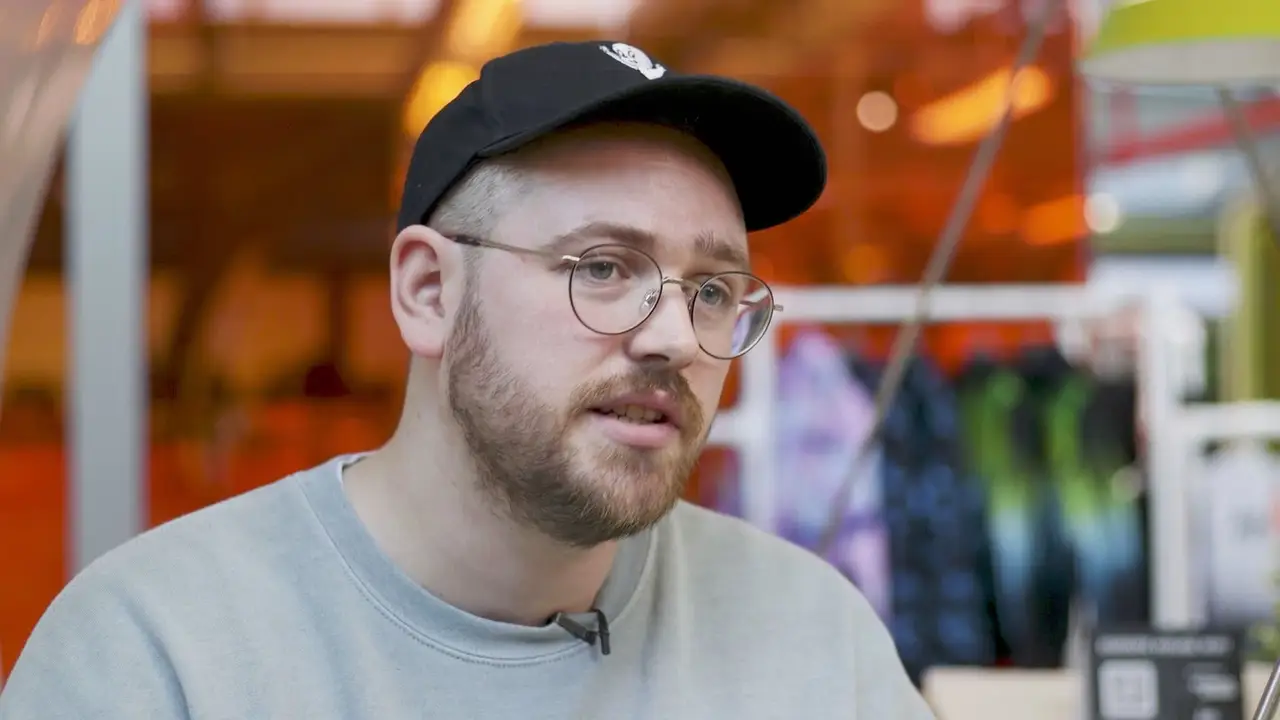
A machine is more convincing inside a customer’s story than on its own.

The customer does the selling, and the sales team gets proof it can use.
You have a story like this.
No obligation. Worst case, you leave with a clearer idea of what you need.